

Your exterior signage works every day to identify your business, reinforce your brand, and help customers find your location. As fall progresses, however, changing weather and shorter daylight hours can make existing signage problems much more noticeable.
A sign that looked acceptable during bright summer afternoons may be harder to see after sunset. Loose components, fading graphics, mounting concerns, and aging illumination can also become more important as winter approaches.
At Landmark Visibility Solutions, we help businesses create professional signage designed around their locations, brands, and visibility needs. If you’re evaluating your property this fall, here are seven exterior signage problems worth addressing before winter.
1. Your Sign Is Becoming Difficult to Read
Start by looking at your sign the way a potential customer would.
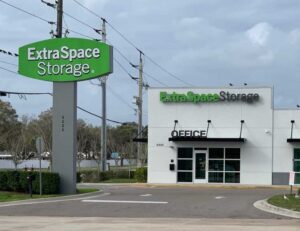
Can someone approaching the property quickly identify your business? Is the lettering easy to distinguish? Does landscaping, another structure, or another sign interfere with visibility?
Placement plays a major role in signage effectiveness. Landmark Visibility Solutions explains more about choosing the best location for a business sign.
If visibility has become a problem, fall is a good time to evaluate whether changes are needed.
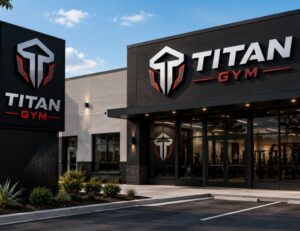
2. Your Sign Isn’t Visible Enough After Dark
Fall brings shorter days, which means more customers may encounter your business after sunset.
A sign that depends entirely on daylight can lose much of its impact once evening arrives.
Professional illuminated signage can help businesses maintain visibility beyond daylight hours. Landmark Visibility Solutions has covered both the advantages of illuminated signage and why lighted signs are important for nighttime visibility.
Check Signage at Different Times of Day
Don’t evaluate your exterior signs only during business hours on a bright afternoon.
Visit the property around dusk and after dark. Approach it from the directions customers typically travel and pay attention to how quickly you can identify the business.
This simple review can reveal visibility issues that aren’t obvious during daylight.
3. Mounting or Sign Components Need Attention
Exterior signage is exposed to weather throughout the year.
If components appear loose, damaged, misaligned, or otherwise different from their original condition, they deserve attention.
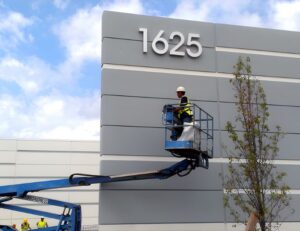
Proper mounting is an important part of professional sign installation. Business owners interested in understanding the process can review Landmark Visibility Solutions’ guide to mounting metal signs on commercial buildings.
For channel-letter projects, the company’s channel letter installation checklist also explains important considerations involving mounting and wiring.
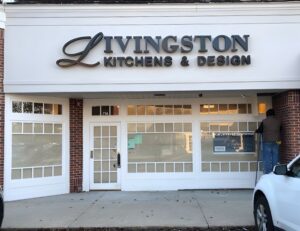
4. Your Exterior Sign Looks Faded or Outdated
Exterior signage represents your business before a customer walks through the door.
If colors have noticeably faded, finishes look worn, or the design no longer matches your current branding, the sign may be sending an outdated message.
This is particularly important when other parts of your brand have changed.
Landmark Visibility Solutions explains how consistent signage builds stronger brand recognition.
If your website, vehicles, interior graphics, and marketing materials communicate one visual identity while your building sign communicates another, fall can be a good time to plan a more consistent approach.
5. Customers Have Trouble Identifying Your Entrance
Exterior signage isn’t only about displaying a company name.
It should also help people understand where they’re supposed to go.
A building with multiple entrances, suites, parking areas, or businesses can create confusion without clear identification and directional information.
That experience can continue indoors, where effective wayfinding signage can help visitors navigate a property.
Evaluate the customer journey from parking lot to front desk rather than judging each sign individually.
6. Your Existing Sign Is Reaching the End of Its Useful Life
Commercial signage doesn’t last forever.
Materials, construction, installation, exposure, and maintenance can all influence how long a sign continues looking and performing as intended.
Landmark Visibility Solutions provides a useful overview of commercial sign lifespan, maintenance, and replacement.
An older sign doesn’t automatically need replacement, but repeated deterioration or declining appearance can be a reason to start planning ahead.
7. The Sign No Longer Fits the Business
Sometimes the problem isn’t physical damage.
The business itself has changed.
Perhaps you’ve rebranded, expanded, changed your services, renovated the building, or moved into a property where the existing signage never really fit.
Landmark Visibility Solutions provides exterior architectural signage for businesses looking for signage tailored to their properties and brands.
Before selecting a new design, review these considerations for choosing the right sign for your business.
Use Fall to Plan Before Winter Arrives
Exterior signage problems are easier to address when they’re identified intentionally rather than after a sign has deteriorated further.
Walk your property this fall and evaluate visibility, illumination, mounting, condition, branding, and customer navigation.
Businesses can also review the common signage mistakes that can cost customers when assessing their current setup.
Landmark Visibility Solutions provides signage services in supplied service areas including Barrington, Crystal Lake, Algonquin, and Cary.
Key Takeaways
Fall is a useful time to evaluate exterior signage before winter conditions arrive.
Check whether customers can easily read and identify your sign from typical approach routes.
Shorter days make nighttime visibility and sign illumination increasingly important.
Loose, damaged, or aging components deserve professional attention.
Exterior signage should remain consistent with your current branding.
Evaluate the complete customer journey, including entrances and wayfinding.
Older or outdated signage may warrant repair, redesign, or replacement planning.